
Last Updated on March 28, 2026 by The HD Post Staff
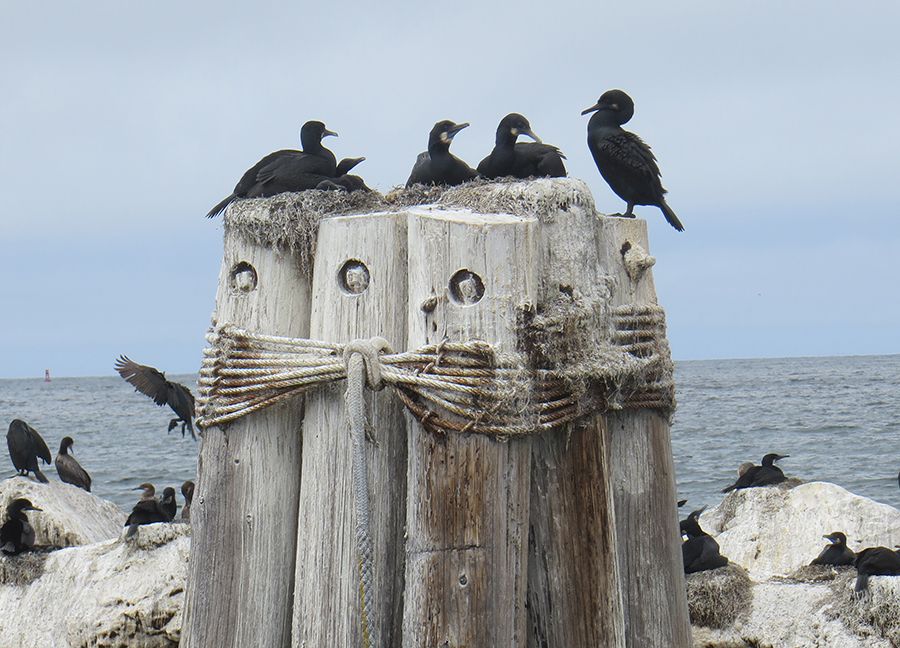 Photo credit: CDFW
CALIFORNIA – The California Department of Fish and Wildlife (CDFW) announced March 27 it is investigating a rise in sick and dead seabirds along California beaches.
Nearly all birds examined were young, emaciated, and frequently showed infections, parasites, or secondary injuries.
CDFW began receiving reports last fall involving Pacific coast seabird species – Brandt’s cormorants and common murres. More recently, reports include California brown pelicans along the coast from Mendocino to San Diego counties.
Wildlife rehabilitation facilities report increased admissions of debilitated cormorants, murres, and pelicans.
According to CDFW, Brandt’s cormorants, common murres, and brown pelicans breed on offshore rocks and coastal islands. Researchers say 2025 was an unusually strong breeding year for these species. Higher reproduction is often followed by increased juvenile mortality.
Young seabirds are less experienced at catching prey and more vulnerable to limited food and severe weather.
Testing finds minimal avian influenza in affected seabirds
CDFW said no avian influenza was detected in the 33 Brandt’s cormorants examined.
An additional 22 cormorants were tested, with preliminary avian influenza found in two collected in early January in San Francisco County.
CDFW and partners have not confirmed avian influenza in roughly 34 tested common murres. However, preliminary testing detected the virus in four murres—two from San Mateo County in January and February, and two from Marin and Santa Cruz counties in early March.
Testing is ongoing for additional birds collected in recent weeks.
Avian influenza H5N1 was first detected in California wild birds in July 2022. Since then, avian influenza in wild birds typically rises in fall and winter and declines in spring and summer.
Although H5N1 was recently detected in marine mammals along the San Mateo County coast, current seabird deaths appear largely unrelated.
Officials monitor causes, urge public caution
Wildlife officials will continue monitoring affected seabirds to determine if other factors contribute to the deaths.
For example, Brandt’s cormorants can be affected by Sarcocystis calchasi, while seabirds and marine mammals are periodically impacted by harmful algal blooms such as domoic acid.
Officials urge the public not to touch, harass, feed, or photograph debilitated seabirds. Do not remove fishing lines or hooks from entangled birds.
To report stranded seabirds, call a local wildlife rehabilitation facility.
Report dead seabirds to CDFW’s Wildlife Health Laboratory using the mortality reporting form. Include photos if possible to help biologists monitor the event.
To report a dead, injured, or stranded marine mammal in California, call the NOAA Fisheries West Coast Region Stranding Hotline at (866) 767-6114. For species information and regional contacts, visit the NOAA Fisheries website.

 announced March 27 it is investigating a rise in sick and dead seabirds along California beaches.)