
Last Updated on January 30, 2026 by The HD Post Staff
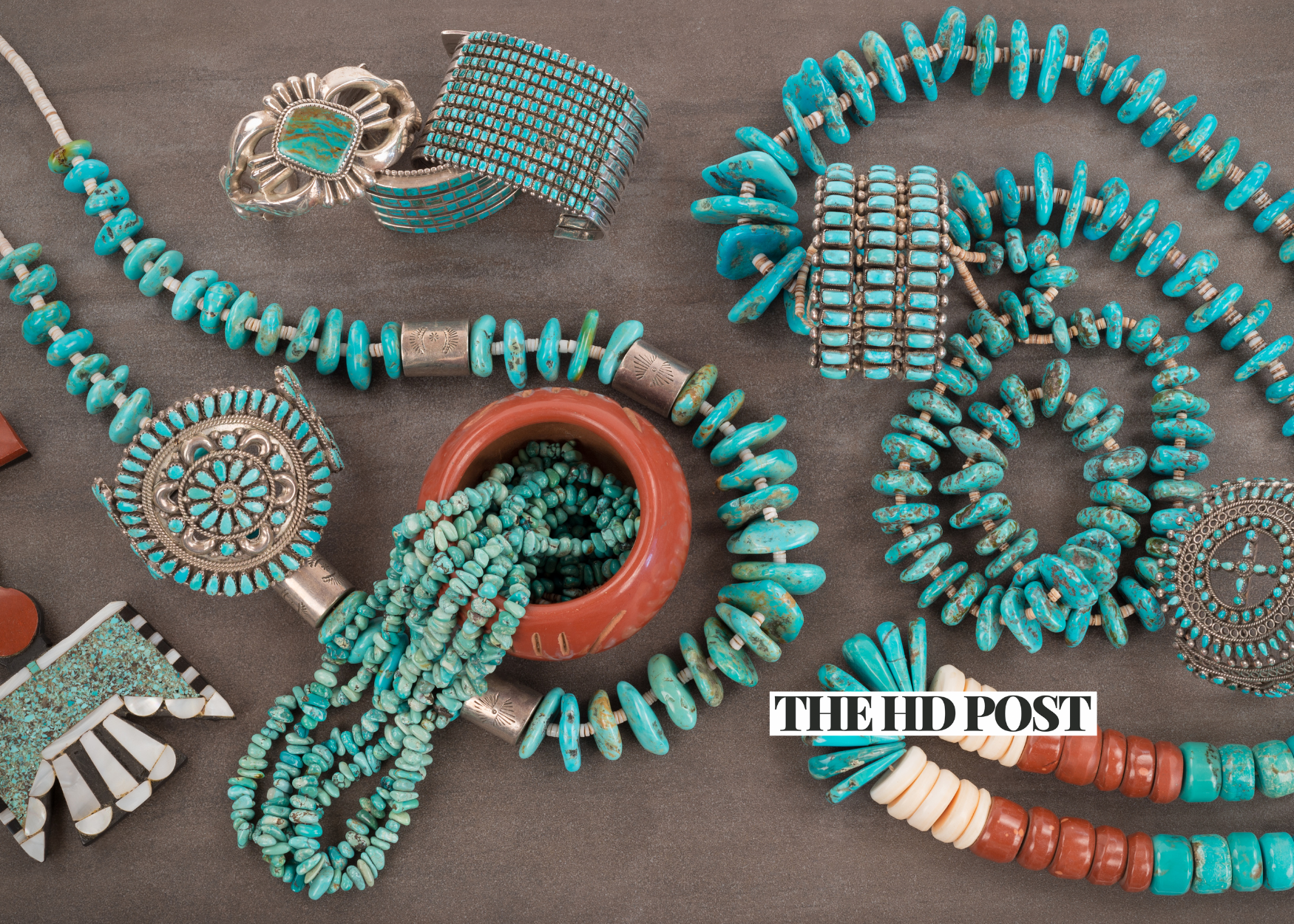
CALIFORNIA — The U.S. Department of the Interior (DOI) announced January 30 that a California man was sentenced to 37 months in prison and ordered to pay $134,443.60 in restitution for running a counterfeit jewelry scheme that exploited the reputation of famed Hopi artist Charles Loloma.
The operation defrauded collectors of nearly $500,000 nationwide.
According to court records, Robert Haack, 59, carried out a years-long scheme selling counterfeit jewelry falsely represented as authentic works by Loloma.
Evidence showed that from about 2008 to 2015, Haack made dozens of fake Loloma jewelry pieces in his California home and sold them through eBay and direct sales.
Haack marketed the items as genuine works made in Loloma’s Hotevilla, Arizona workshop. Those representations were false. A U.S. Fish and Wildlife Service investigation confirmed the jewelry was not made by Loloma.
Haack sold the forged pieces to more than 10 victims nationwide for about $500,000.
Undercover agents purchased Haack’s forged pieces
Federal authorities opened a criminal case in 2018 after undercover U.S. Fish and Wildlife Service agents bought two forged pieces from Haack.
A federal grand jury in 2019 issued a superseding indictment charging Haack with multiple fraud-related offenses tied to the counterfeit jewelry scheme.
In 2021, Haack pleaded guilty to three fraud counts under a plea agreement calling for home confinement. As sentencing neared, Haack refused to provide required financial information to the U.S. Probation Office.
The court rejected the plea agreement, and Haack subsequently withdrew his guilty pleas.
Haack faked cognitive issues to delay the trial
After a 30-day inpatient forensic evaluation, the court found Haack had been malingering—faking cognitive issues to delay the trial, and was competent to proceed.
In June 2024, after a four-day trial in Santa Fe, New Mexico, a federal jury found Haack guilty of two counts each of wire fraud, mail fraud, and violations of the Indian Arts and Crafts Act.
First Assistant U.S. Attorney Ryan Ellison said that falsely representing jewelry as authentic Native American art for profit harms the market and takes advantage of both artists and buyers.
“Upholding the integrity of our markets and holding accountable those who undermine public trust remains a priority for this office,” Ellison said.
The DOI noted that there is no parole in the federal system.
RELATED: California woman pleads guilty to $1.2 Million elder fraud scheme affecting 40 victims

 announced January 30 that a California man was sentenced to 37 months in prison and ordered to pay $134,443.60 in restitution for running a counterfeit jewelry scheme that exploited the reputation of famed Hopi artist Charles Loloma. )