Photo credit: CDFW
CALIFORNIA – To protect declining red abalone populations, the California Fish and Game Commission extended the recreational fishery closure until April 1, 2036, at its Dec. 10–11 meeting.
The fishery has been closed since 2018, prohibiting harvesting along the Northern California coast.
The Commission determined that extending the closure is necessary to protect the species and support its restoration.
According to CDFW, California’s red abalone population suffered an 85% decline, following the 2014 kelp forest collapse triggered by a marine heatwave.
Kelp loss drove much of the decline, while rising purple sea urchin populations prevent kelp recovery, limiting abalone’s primary food source.
CDFW will support abalone recovery by developing a statewide restoration plan with adaptive strategies to bolster red abalone populations.
Meanwhile, enforcement efforts have continued, with several individuals arrested for violating the ban since it took effect.
In 2020, a Santa Rosa man was fined $40,000 and had his sportfishing license revoked after authorities found 80 abalone in his home.
Another suspected poacher was arrested Nov. 7 on the Sonoma Coast with 15 abalone.
Lists Bear Lake buckwheat as endangered
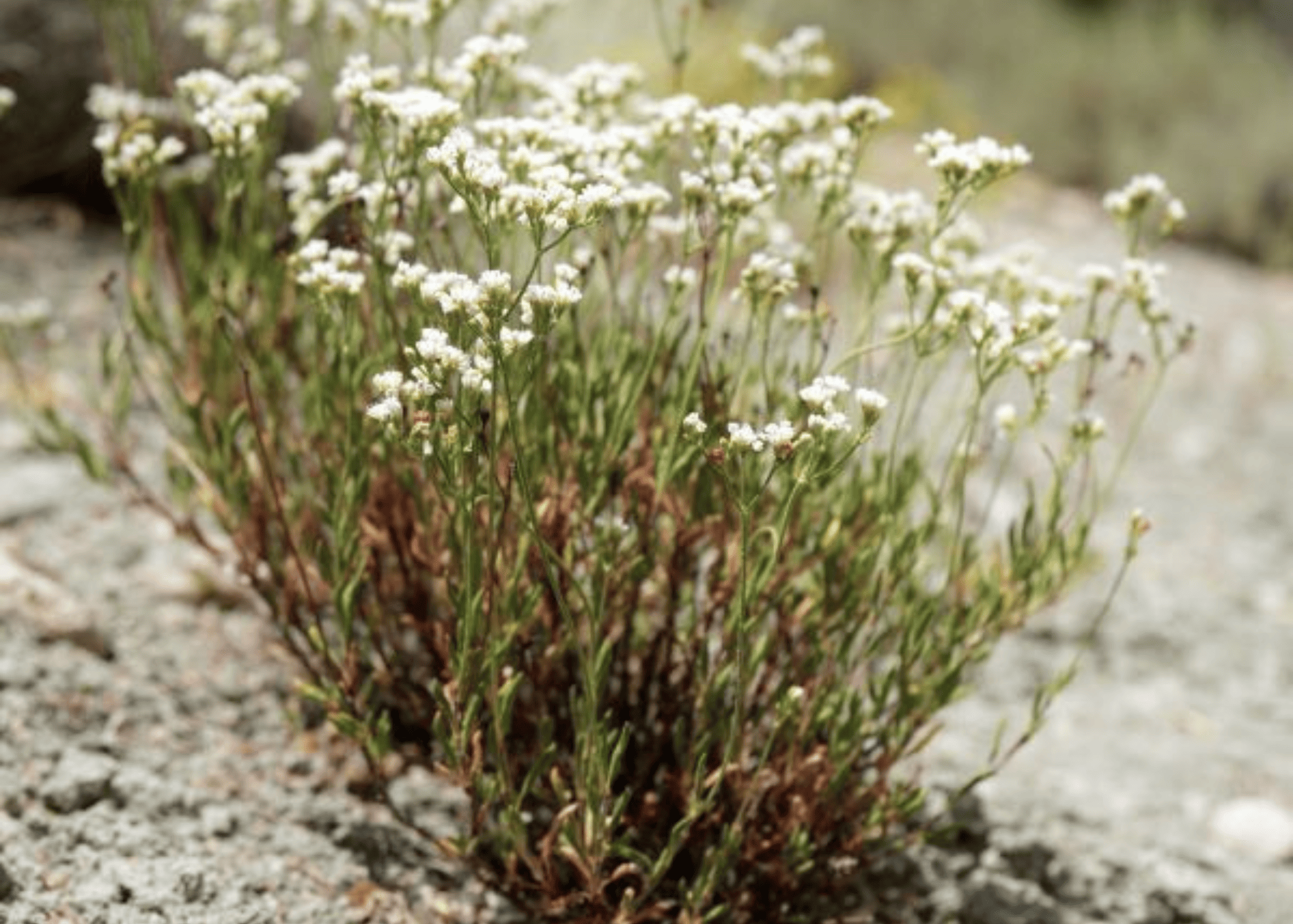
 Photo credit: CDFW
The Commission also listed Bear Lake buckwheat as endangered under the California Endangered Species Act (CESA).
Bear Lake buckwheat is a subshrub in the buckwheat family exclusively found on the south shore of Big Bear Lake in San Bernardino County.
CDFW’s Native Plant Program reported that a September 2025 survey counted as few as 744 Bear Lake buckwheat plants across 1.5 acres of land.
According to the department, that 1.5 acres is the only location in the world where this shrub is known to grow.
Bear Lake buckwheat faces threats including habitat destruction and human disturbances.
RELATED: California reverses course, will reissue thousands of immigrant trucker licenses